Onshore Drilling
Onshore and Offshore Drilling: Strategic Pillars of Hydrocarbon Development
Onshore drilling is a critical process in petroleum engineering and natural resource development, carried out to access subsurface resources such as oil, gas, water, and minerals. This method is particularly prevalent in arid and desert regions, where drilling must penetrate hard and resistant geological formations.
The onshore drilling process begins with the installation of a high-capacity land rig capable of reaching significant depths. These rigs are equipped with specialized drill bits, cooling systems, and well-control equipment. The primary objective is to construct a wellbore that provides access to hydrocarbon reservoirs or facilitates sampling of subsurface formations for analysis.
Advantages of Onshore Drilling
- Reliable access to hydrocarbon resources in arid and remote regions.
- Lower transportation and logistical costs compared to offshore operations.
- Capability to operate under harsh environmental and climatic conditions.
Challenges of Onshore Drilling
- Risk of land subsidence and wellbore instability.
- Complexities in managing subsurface pressures and maintaining well integrity.
- High energy consumption and the need for technologically advanced equipment.
- Environmental considerations, including waste management and minimizing ecological impact.
Despite these challenges, onshore drilling remains a vital driver of energy security and resource development. Advances in rig technology, drilling automation, and environmental safeguards have significantly improved operational efficiency and reduced ecological impacts. Onshore drilling also contributes to scientific research, enhancing our understanding of subsurface geology.
Offshore Drilling
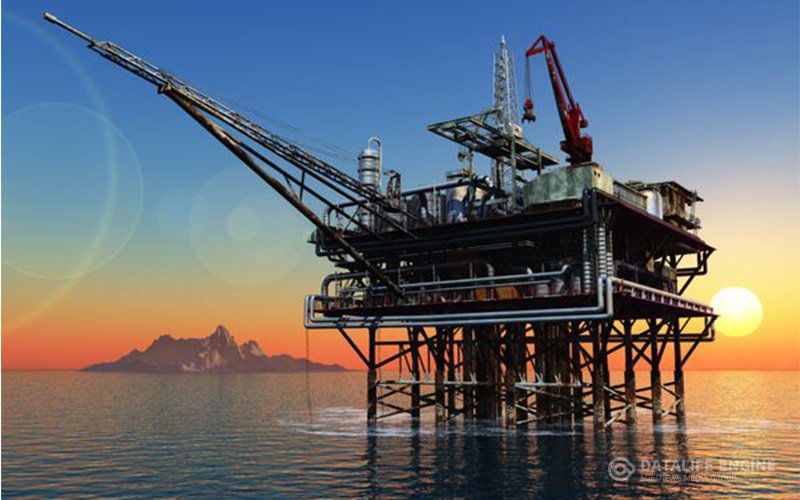
Offshore drilling represents one of the most sophisticated and high-risk industrial operations in the oil and gas sector, conducted in both shallow and deepwater environments. The process involves drilling wells beneath the seabed to exploit hydrocarbon reservoirs otherwise inaccessible from land.
Specialized assets such as floating drilling rigs, fixed platforms, semi-submersibles, and drillships are deployed in offshore projects. These installations are supported by advanced technologies to manage subsurface pressures, prevent blowouts, and minimize chemical or hydrocarbon spills.
Advantages of Offshore Drilling
- Unlocks access to large reserves of oil and gas located beneath the seabed.
- Increases domestic energy production and reduces reliance on imports.
- Enhances national energy security by diversifying supply sources.
Challenges of Offshore Drilling
- Elevated environmental risks, including oil spills and pollution of marine ecosystems.
- Complex operating conditions in deep waters and extreme weather environments.
- High capital and operational expenditures compared to onshore drilling.
Strategic Importance
Offshore drilling remains indispensable to the global energy supply chain, particularly in resource-rich regions such as the Gulf of Mexico, the North Sea, and the Persian Gulf. To ensure sustainable operations, industry stakeholders prioritize:
- Development of cutting-edge drilling technologies and subsea systems.
- Strict compliance with international health, safety, and environmental (HSE) standards.
- Ongoing training and upskilling of the workforce to handle increasingly complex offshore operations.
Onshore and Offshore Drillingt
Onshore and offshore drilling are complementary pillars of upstream oil and gas development. While onshore drilling offers operational efficiency and lower costs, offshore drilling provides access to massive hydrocarbon reserves in marine environments. Both methods demand advanced technologies, rigorous safety protocols, and strong environmental stewardship to ensure safe, economical, and sustainable energy production in a world of growing demand.
Upstream Oil and Gas Industry Management,Downstream Oil and Gas Industry Management,Onshore Drilling,Offshore Drilling,Drilling and Exploration Company,Oil Well Drilling Operations,Drilling Rig Management,Oil Well Drilling Services,Provision of Various Upstream Services,EPD Drilling Projects,Exploration, Development, and Production of Oil Fields,Rig Operation and Management